
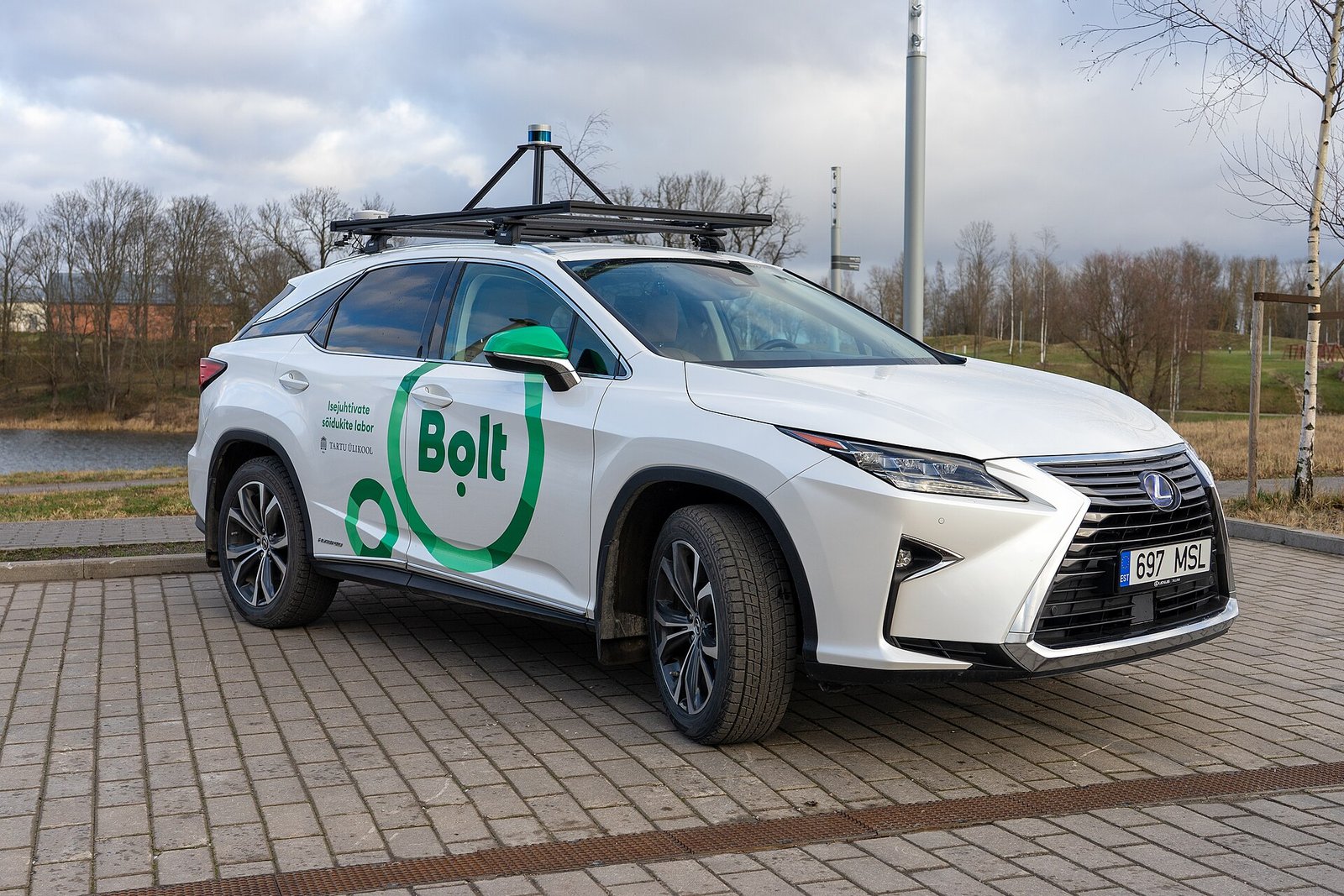
The car in your driveway is quietly turning into a computer on wheels. Over the last decade the automobile has changed more than it did in the previous fifty years — electric drivetrains, over-the-air software updates, driver-assistance systems that read the road, and connectivity that links your vehicle to the grid and to everything around it. Whether you are a buyer trying to future-proof a purchase, a fleet owner watching operating costs, or simply curious where all this is heading, understanding the forces reshaping automotive technology helps you separate genuine progress from marketing noise and make smarter decisions.
🚗 What Is Automotive Technology?
Automotive technology is the collection of engineering systems that make a vehicle move, think, and connect — spanning the powertrain that drives the wheels, the software that governs behavior, and the sensors and networks that let a car perceive and communicate. What used to be a mechanical discipline dominated by pistons and gears is now equal parts electrical engineering and computer science.
It helps to think about the transformation across three intertwined pillars:
- 🔋 Electrification replaces the internal combustion engine with batteries and electric motors, shifting the car’s core from mechanical to electrical and rewriting how energy is stored, delivered, and recovered.
- 🤖 Automation layers sensors, cameras, and machine learning onto the vehicle so it can assist or, increasingly, take over parts of the driving task — from lane centering to full self-driving in limited conditions.
- 📡 Connectivity ties the car into networks — the internet, the power grid, other vehicles, and roadside infrastructure — turning an isolated machine into a node that sends and receives data continuously.
Almost every headline innovation, from robotaxis to vehicle-to-grid charging, is really some combination of these three pillars reinforcing one another. Electrification makes the software-defined car practical; automation depends on connectivity; connectivity multiplies the value of both.
🎯 Why the Future of Automotive Matters
This is not a niche engineering story — it touches climate, safety, personal budgets, and how cities are built. The decisions being made now, by regulators and manufacturers alike, will shape what you drive and how you pay for it for decades.
It reshapes the cost of ownership. An electric vehicle typically costs more upfront but far less to fuel and maintain, with fewer moving parts to wear out. Understanding the total cost over years, not just the sticker price, changes which car is actually the cheaper choice.
It promises dramatically safer roads. The large majority of crashes trace back to human error. Advanced driver-assistance systems — automatic emergency braking, blind-spot monitoring, lane keeping — already prevent collisions today, and each generation gets more capable.
It cuts emissions where it counts. Transport is one of the largest sources of greenhouse gases. Electrification, paired with a cleaner grid, is among the most direct levers a society has to reduce them, which is why so much policy and investment is aimed here.
It redefines the vehicle as a platform. When a car can improve through software updates, the machine you buy is not the machine you keep. Features, range, and even performance can change after purchase — a genuinely new relationship between owner and product.
📈 The Technologies That Actually Matter
The automotive press overflows with buzzwords, and it is easy to be dazzled by concepts that are years from reality while overlooking the systems quietly changing cars today. The technologies below are grouped by the pillar they belong to, with real-world examples so you can tell mature capability from marketing promise.
Electrification and Energy
- 🔋 Battery chemistry — the shift from older cells toward lithium iron phosphate (LFP) and emerging solid-state designs that promise more range, faster charging, and longer life. Example: many affordable EVs now ship with LFP packs that tolerate daily 100% charging, something older nickel-based chemistries disliked.
- ⚡ Fast charging and architecture — 800-volt systems that can add meaningful range in the time it takes to buy a coffee, versus older 400-volt cars that charge more slowly.
- ♻️ Regenerative braking — recovering energy that used to be lost as heat, extending range and reducing brake wear. Example: one-pedal driving in city traffic can recover a noticeable share of energy that would otherwise be wasted at every stop.
Automation and Assistance
- 👁️ ADAS sensor suites — the cameras, radar, and sometimes lidar that let a car perceive its surroundings and act on them. Example: automatic emergency braking is now standard on most new cars and measurably reduces rear-end collisions.
- 🛣️ Highway assist — combined adaptive cruise and lane centering that handles steady highway driving while the human supervises.
- 🅿️ Automated parking — systems that steer into tight spaces or, in newer cars, summon the vehicle from a parking spot to you.
Connectivity and Software
- 📲 Over-the-air (OTA) updates — pushing new features and fixes to a car remotely, the way a phone updates. Example: some owners have gained range, quicker acceleration, or new safety features overnight without ever visiting a dealer.
- 🔗 V2X communication — vehicle-to-everything links that let cars talk to traffic lights, infrastructure, and one another to anticipate hazards.
- 🔌 Vehicle-to-grid (V2G) — using a parked EV’s battery to feed power back to a home or the grid at peak times, turning cars into mobile energy storage.
⭐ The single most important shift: the software-defined vehicle
The deepest change is not any one gadget — it is that the car is becoming defined by software rather than hardware. When capabilities live in code that can be updated, a vehicle can improve for years after it leaves the factory, new revenue models emerge, and the traditional line between “the car you bought” and “the car you own” dissolves. Every other trend flows from this one.
📋 Technology Cheat-Sheet (Quick Reference)
| Technology | What it does | Maturity today | Where you find it |
|---|---|---|---|
| 🔋 EV battery packs | Store energy for electric drive | Mainstream | All new EVs |
| ⚡ 800V fast charging | Cuts charging time sharply | Growing | Premium & newer EVs |
| 👁️ ADAS (Level 2) | Assists steering & braking | Widely available | Most new cars |
| 🤖 Self-driving (Level 4) | Drives in limited zones | Pilot / limited | Robotaxi trials |
| 📲 OTA updates | Adds features remotely | Expanding fast | Software-led brands |
| 🔌 Vehicle-to-grid | Feeds battery power back | Early | Select EVs & pilots |
| 🔗 V2X networking | Cars talk to infrastructure | Emerging | Smart-city trials |
🛠️ The Key Players Shaping the Road Ahead
No single company owns the future of the car; it is being built by legacy automakers, disruptors, chipmakers, and charging networks at once. The table below sketches the categories of players and where each is pushing hardest — useful context whether you are buying, investing, or just watching.
| Player type | Pushing hardest on | EV focus | Autonomy focus |
|---|---|---|---|
| ⚡ EV-native automakers | Software-defined cars | High | High |
| 🏭 Legacy automakers | Electrifying broad lineups | Rising | Medium |
| 🚕 Robotaxi companies | Level 4 autonomy | High | Very high |
| 💻 Chip & compute firms | In-car AI processing | Indirect | High |
| 🔌 Charging networks | Fast, reliable charging | High | Low |
| 🔋 Battery makers | Cheaper, denser cells | Very high | Low |
| 🛰️ Suppliers & sensors | Radar, lidar, cameras | Medium | Very high |
The winners will likely be those who integrate across categories rather than excel in one — a great battery means little without a great charging experience and software to match.
🔗 Understanding the Levels of Autonomy
Few terms in the industry are as misused as “self-driving.” Engineers use a standard six-level scale (0 to 5) to describe how much of the driving task a system handles and how much the human must supervise. Knowing where a car actually sits on this scale cuts through a lot of marketing.
| Level | What the car does | Who is responsible | Where it stands |
|---|---|---|---|
| 🅰️ Level 1 | One assist (e.g. cruise) | Driver, fully | Standard for years |
| 🅱️ Level 2 | Steering + speed together | Driver must supervise | Common on new cars |
| ©️ Level 3 | Drives in set conditions | Car, until it hands back | Limited rollouts |
| 🅾️ Level 4 | Full driving in a zone | Car, within its limits | Robotaxi pilots |
| 🆓 Level 5 | Drives anywhere, anytime | Car, always | Not yet real |
The gap between Level 2 and Level 3 is enormous: it is the difference between a system that assists you and one that is legally responsible for driving. Marketing names like “Autopilot” or “Full Self-Driving” often describe Level 2 systems that still require a fully attentive human, so read the fine print rather than the badge.
🧭 7-Step Framework for Evaluating a Future-Ready Vehicle
Buying into new automotive technology sensibly takes structure, not hype. Work through this checklist in order the next time you evaluate a car or plan a fleet — you can tick each box as you go.
💡 Worked Example: A Commuter Makes the Switch
Raj drives about 40 km a day to work and back, mostly city roads, with a monthly highway trip to visit family roughly 300 km away. He is tempted by an EV but worried about range and charging. Here is how he applies the framework:
- 🎯 Use case: Short daily commute plus occasional long trips, with a driveway where he can install a home charger.
- 🔋 Powertrain match: His daily distance is trivial for any modern EV; a car with roughly 400 km of real-world range covers even his monthly trip with one quick stop.
- ⚡ Charging reality: He installs a home wall charger, so the car is full every morning; he maps two fast chargers on his family route as backup.
- 💰 Total cost check: The EV costs more upfront, but home charging and near-zero maintenance make it cheaper over his planned six years of ownership.
- ✅ The result: Raj switches, charges overnight at home for a fraction of fuel cost, and finds range anxiety evaporates once charging becomes a habit rather than a chore.
Nothing here required predicting the distant future. It required matching honest driving habits to the technology that actually fits them.
⚠️ Common Automotive-Tech Mistakes to Avoid
Trusting the marketing name. “Self-driving” and “Autopilot” often describe systems that still require a fully attentive human. Always check the actual SAE level and its limits.
Buying range you will never use. Paying for a huge battery for a commute that never exceeds 50 km wastes money and hauls extra weight around. Size the range to your real driving.
Ignoring the charging plan. An EV without reliable home or route charging becomes a daily headache. Solve charging before you fall in love with the car.
Overlooking software and subscriptions. Some features that used to be one-time purchases are now recurring fees. Read what is included, what expires, and what future updates will cost.
Assuming autonomy is here. Level 4 robotaxis exist only in mapped, limited zones. A consumer car you can buy today still needs you fully in charge.
Forgetting battery aging. Fast charging habits, climate, and chemistry all affect how a pack degrades. Check the warranty terms and expected long-term range before you commit.
📖 Glossary of Key Terms
- 🔋 BEV (Battery Electric Vehicle): A vehicle powered solely by a rechargeable battery and electric motor, with no combustion engine.
- 🔀 PHEV (Plug-in Hybrid EV): A car with both a battery for short electric trips and a combustion engine for longer range.
- 👁️ ADAS (Advanced Driver-Assistance Systems): Sensor-based features like automatic braking and lane keeping that assist the driver.
- 🗺️ SAE Levels: The 0–5 industry scale describing how much of the driving task a vehicle can perform on its own.
- 📲 OTA (Over-the-Air) update: Software delivered remotely to a car to add features or fix issues without a service visit.
- 🔗 V2X (Vehicle-to-Everything): Communication that lets a car exchange data with infrastructure, other vehicles, and networks.
- 🔌 V2G (Vehicle-to-Grid): Technology that lets a parked EV send stored energy back to a home or the electricity grid.
- 🛰️ Lidar: A laser-based sensor that builds a precise 3D map of a car’s surroundings, often used in autonomous systems.
❓ Frequently Asked Questions
Are electric vehicles really cheaper to own than petrol cars?
Can I buy a truly self-driving car today?
How long do EV batteries last?
Is hydrogen going to replace batteries?
What does “over-the-air update” actually change on my car?
How worried should I be about EV range on long trips?
What is the difference between a hybrid and a plug-in hybrid?
Do driver-assistance systems make cars safer?
Will my current petrol car become worthless soon?
What is vehicle-to-grid and why should I care?
Is all this technology just for expensive cars?
🏁 Conclusion
The future of automotive technology is not a single breakthrough waiting on the horizon — it is the steady convergence of electrification, automation, and connectivity that is already reshaping the cars on sale today. The most important shift is that the vehicle is becoming software-defined, able to improve long after it leaves the factory, which changes what it means to own a car at all. For most people, the practical takeaway is not to chase every headline but to understand which technologies are mature, which are still promises, and which actually fit the way they drive.
You do not need to predict exactly where robotaxis or solid-state batteries land to make a smart decision now. Start from your real use case, verify charging and autonomy claims honestly, weigh total cost over the years you will own the car, and favor vehicles that keep getting better through software. Do that, and you will ride the transition on your own terms rather than being swept along by the hype.
👉 Next step: Pick one vehicle you are considering and run it through the 7-step framework above this week — checking its true SAE level and total cost of ownership first. That single exercise will tell you more than any spec sheet. Explore more of our automotive guides to keep building your knowledge.
