
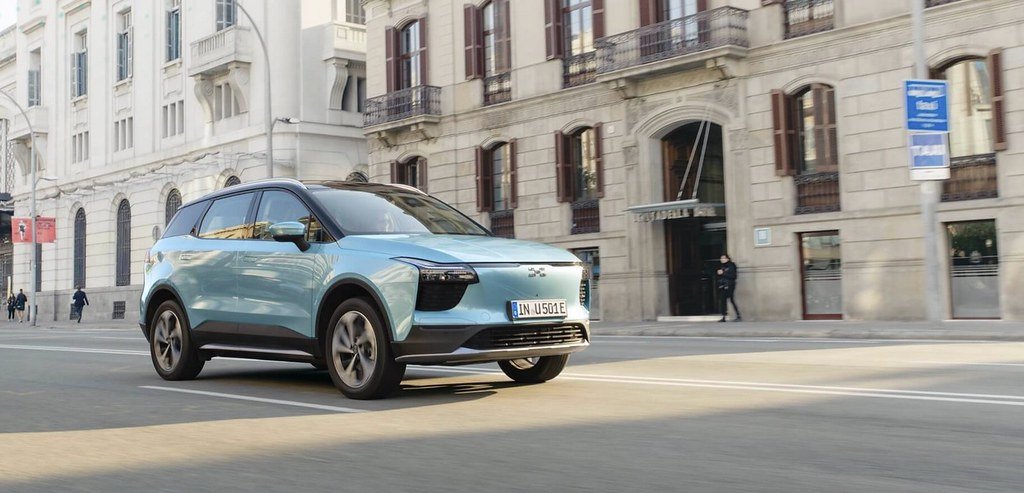
Buying a car for your family is one of the biggest recurring decisions a household makes, and it is rarely just about the sticker price. The right family car has to swallow a week of groceries and a stroller, keep two squabbling kids safely apart, survive spilled juice and muddy cleats, and still be pleasant to drive on a long holiday. Get it right and the car quietly disappears into your life for a decade. Get it wrong and you feel the pinch on every school run, every road trip, and every fuel stop. This comparison cuts through the noise so you can choose with confidence.
🚗 What Makes a Good Family Car?
A family car is any vehicle chosen primarily to move a household — parents, children, gear, and often pets — safely and affordably through daily life. The category is broad, spanning everything from a compact hatchback to a three-row SUV, but the best family cars all balance the same handful of qualities rather than maximizing any single one.
It helps to weigh a family car across three broad pillars:
- 🛡️ Safety and protection covers crash-test ratings, driver-assistance features, and how easily child seats fit — the non-negotiable foundation of any family vehicle.
- 📦 Space and practicality covers passenger room, cargo volume, door and access design, and clever storage — how well the car actually holds your life.
- 💰 Running cost and reliability covers fuel or energy use, insurance, maintenance, and resale value — the ongoing bill that outlasts the purchase itself.
Almost every family-car segment leans toward one or two of these pillars while compromising on the third. The skill is not finding a perfect car; it is matching those trade-offs to how your particular family actually lives.
🎯 Why Choosing the Right Family Car Matters
The strongest reason to choose carefully is that a family car is a long-term commitment. Most families keep the vehicle for seven to ten years, so a mismatch is not a minor annoyance — it is a decade of daily friction and money spent on the wrong priorities.
It protects the people you care about most. Safety technology and crash performance vary enormously between models, and a well-rated car with modern driver aids measurably lowers the risk in exactly the situations families face — tired evening drives, distracting back seats, and busy school zones.
It shapes your monthly budget. Two cars with the same purchase price can differ by thousands a year once fuel, insurance, tyres, and depreciation are added up. The cheaper car to buy is often the more expensive car to own.
It removes daily friction. Sliding doors in a tight parking bay, a boot that fits the pram without folding seats, or easy third-row access changes how you feel about the car every single day. Small ergonomic wins compound over years.
It grows — or fails to grow — with your family. A car that fits a family of three may be hopeless once a second child, a booster seat, and a grandparent all need a place. Buying for where your family is heading, not just where it is today, saves an expensive early replacement.
📈 The Factors That Actually Matter
It is easy to be seduced by a big touchscreen or a panoramic roof, but those rarely determine whether a car serves a family well. The factors below are organized by what genuinely shapes daily life with kids, each with a real-world example so you know what “good” looks like.
Safety and Peace of Mind
- 🛡️ Crash-test ratings — independent scores from bodies like Euro NCAP, IIHS, or Global NCAP that show how a car protects occupants. Example: a 5-star adult and child rating is the benchmark to aim for; anything at three stars or below deserves a hard second look for a family car.
- 👶 Child-seat fit (ISOFIX/LATCH) — how many anchor points there are and how easily seats clip in without wrestling.
- 🚨 Driver-assistance features — automatic emergency braking, blind-spot monitoring, and rear cross-traffic alert that help avoid crashes in the first place. Example: automatic emergency braking alone is credited with meaningfully cutting rear-end collisions, which is exactly the low-speed prang families rack up.
Space and Everyday Practicality
- 📦 Cargo and boot volume — how much fits behind the rearmost seats, measured in litres, and whether a pram fits without folding a row. Example: roughly 450–500 litres comfortably swallows a large pram and a weekly shop; below 350 litres you will be folding seats often.
- 🚪 Access and doors — wide-opening or sliding rear doors that make loading a child seat in a narrow bay far easier.
- 🧃 Interior storage and durability — cupholders, bins, wipe-clean surfaces, and materials that shrug off snacks and scuffs.
Cost and Long-Term Ownership
- ⛽ Fuel or energy efficiency — how far the car goes per litre, kWh, or charge, which dominates the running-cost bill for high-mileage families. Example: a hybrid returning around 20–25 km/l (roughly 50+ mpg) can save a commuting family a substantial sum over a big petrol SUV across a year.
- 🔧 Reliability and maintenance — how often the model needs unplanned repairs and how affordable routine service is.
- 📉 Depreciation and resale — how much value the car retains, often the single largest ownership cost of all.
⭐ The single most important factor: match the car to your real life
There is no universally “best” family car — only the best car for your family. A couple with one baby and a city commute has almost opposite needs to a family of five with a dog and a caravan. Before comparing models, write down how many people you carry, what you haul, how far you drive, and your true budget including running costs. That honest profile, not the brochure, is what tells you which segment wins.
📋 Family-Car Segment Cheat-Sheet (Quick Reference)
| Segment | What it offers | Typical seats | Best suited to |
|---|---|---|---|
| 🚙 Compact SUV | Raised seating, easy access, modest boot | 5 | Small families, city and suburb |
| 🚐 Minivan / MPV | Sliding doors, flexible seating, huge space | 7–8 | Larger families, lots of gear |
| 🚛 Three-row SUV | Big cabin, high driving position, towing | 6–7 | Growing families who tow or road-trip |
| 🚗 Midsize sedan | Efficient, comfortable, secure boot | 5 | Value-focused families, long commutes |
| 🚘 Station wagon / estate | Sedan drive with SUV-like cargo | 5 | Families who prize efficiency and space |
| 🔋 Hybrid / EV crossover | Low running costs, quiet, tech-rich | 5 | High-mileage or eco-minded families |
| 🏎️ Hatchback | Cheap, nimble, easy to park | 5 | First-car families on a tight budget |
🛠️ How the Main Segments Compare
Once you know the segments, the real question is how they stack up against each other on the things families feel every day. The table below rates each segment so you can see the trade-offs at a glance — no single row wins everything, which is exactly the point.
| Segment | Best for | Running cost | Space rating |
|---|---|---|---|
| 🚙 Compact SUV | Easy daily driving | Medium | ★★★☆☆ |
| 🚐 Minivan / MPV | Maximum flexibility | Medium | ★★★★★ |
| 🚛 Three-row SUV | Big families & towing | High | ★★★★☆ |
| 🚗 Midsize sedan | Value & comfort | Low | ★★★☆☆ |
| 🚘 Station wagon | Cargo without bulk | Low | ★★★★☆ |
| 🔋 Hybrid / EV crossover | Lowest fuel bills | Very low | ★★★☆☆ |
| 🏎️ Hatchback | Tight budgets & cities | Very low | ★★☆☆☆ |
Notice the pattern: the roomiest choices tend to cost more to run, while the cheapest to run tend to give up space. Your job is to find the row where the compromise sits in a place your family can happily live with.
🔗 Understanding Powertrains and Fuel Types
Segment tells you the shape of the car; the powertrain tells you how it drives and what it costs to feed. This choice increasingly matters as much as body style, so it is worth understanding the main options before you commit.
| Powertrain | How it works | Best for | Watch out for |
|---|---|---|---|
| ⛽ Petrol | Traditional engine, widely available | Low mileage, low upfront cost | Higher fuel cost per km |
| 🛢️ Diesel | Efficient at high, steady mileage | Long-distance towing families | Poor for short city trips |
| 🔋 Hybrid | Petrol engine plus self-charging motor | Mixed city and highway driving | Higher purchase price |
| 🔌 Plug-in hybrid | Bigger battery, short electric range | Short commutes, occasional long trips | Needs regular charging to pay off |
| ⚡ Full electric (EV) | Battery only, charged from the grid | Predictable routes, home charging | Range and charging on road trips |
The right powertrain is really about your mileage and where you park. A family that drives short city trips and can charge at home will love an EV or plug-in hybrid, while a family that tows a caravan across the country each summer may still be better served by an efficient diesel or a conventional hybrid.
🧭 7-Step Family-Car Buying Framework (Checklist)
A good decision comes from a clear process, not a showroom impulse. Work through this checklist in order — you can literally tick each box before you sign anything.
💡 Worked Example: The Sharma Family Chooses
The Sharmas are a family of four — two parents, a four-year-old, and a newborn — living in a busy suburb with a 25 km daily commute and two or three long road trips a year to visit grandparents. They have a budget of around ₹18 lakh all-in and no idea where to start. Here is how they apply the framework:
- 👨👩👧👦 Family profile: Two child seats today, likely three tight passengers in the back for years, plus a pram and holiday luggage. Space and safety top the list.
- 💰 True budget: After adding fuel, insurance, and servicing, they realize a big three-row SUV would blow their yearly running budget, so it drops off the list early.
- 🚙 Shortlist: They narrow to a compact SUV, a midsize sedan, and a hybrid crossover — all five-seaters that fit two child seats comfortably.
- 🛡️ Safety and fit check: All three carry strong crash ratings, but only the hybrid crossover and the SUV let them clip both ISOFIX seats in without a fight, so the sedan drops out.
- ✅ The decision: Running the total-cost sheet, the hybrid crossover costs slightly more to buy but far less to run over their high mileage, saving roughly ₹40,000 a year in fuel — so they choose it and stay inside budget.
Nothing here required insider knowledge. It required an honest family profile, a safety filter, and a total-cost comparison — the same three steps that work for any household.
⚠️ Common Family-Car Mistakes to Avoid
Buying on price alone. The cheapest car to purchase is often the most expensive to own once thirsty fuel use, high insurance, and steep depreciation are added up. Always compare the all-in cost.
Ignoring child-seat fit. Plenty of roomy-looking cars make clipping in two seats a daily wrestling match. Bring your actual seats to the test drive rather than trusting the brochure’s seat count.
Buying only for today. A car that fits a family of three can be hopeless once a second child, boosters, and a dog arrive. Buy for where your family is heading in a few years.
Overbuying on size. A giant three-row SUV that only ever carries three people wastes fuel, money, and parking-space patience every single day. Match the size to your typical, not maximum, load.
Being seduced by tech, not substance. A dazzling touchscreen does not compensate for a cramped rear bench or a boot that swallows nothing. Judge the everyday practicality first, gadgets last.
Skipping the used-car checks. On a used family car, missing an independent inspection and history check risks inheriting accident damage or hidden faults that endanger the people you are trying to protect.
📖 Glossary of Key Terms
- 🛡️ NCAP (New Car Assessment Programme): Independent crash-test programmes (Euro NCAP, Global NCAP, IIHS) that rate how well a car protects occupants, usually on a star scale.
- 👶 ISOFIX / LATCH: A standardized set of anchor points built into the car that let a child seat clip in securely without using the seat belt.
- 🚨 ADAS (Advanced Driver-Assistance Systems): Safety technologies such as automatic emergency braking, lane keeping, and blind-spot monitoring that help prevent crashes.
- 🚐 MPV (Multi-Purpose Vehicle): A minivan-style car built around flexible, spacious seating for larger families, often with sliding doors.
- 📉 Depreciation: The loss of a car’s value over time, typically the single largest cost of ownership.
- 💸 Total cost of ownership (TCO): The full cost of a car over the years you keep it — purchase, fuel or energy, insurance, servicing, and depreciation combined.
- 🔌 PHEV (Plug-in Hybrid Electric Vehicle): A hybrid with a larger, chargeable battery that offers a short pure-electric range before the petrol engine takes over.
- ⚡ EV (Electric Vehicle): A car powered solely by a battery and electric motor, charged from the grid rather than refuelled with petrol or diesel.
❓ Frequently Asked Questions
What is the best type of family car overall?
Is an SUV really safer than a sedan for a family?
How many seats does my family actually need?
Are hybrid or electric cars worth it for families?
New or used — which is smarter for a family car?
How much boot space do I need for a pram and shopping?
Why do minivans still beat SUVs for big families?
What safety features should I insist on?
How much should I budget for running costs, not just the car?
Do I need all-wheel drive for a family car?
Is a bigger car always better for safety?
🏁 Conclusion
Choosing a family car is not about finding the model with the most awards or the flashiest screen — it is about finding the car that fits your family’s real life for the next decade. Start by profiling how your household actually moves, set an honest all-in budget, filter hard on safety, and then compare a short list of segments on space and total cost of ownership. When you approach it as a structured decision rather than a showroom romance, the right choice usually becomes obvious.
Every family is different, so the compact SUV that suits your neighbour may be exactly wrong for you, and the minivan you once dismissed might be perfect. Trust your own profile over the marketing, test-fit the car with your actual kids and gear, and weigh the ongoing bill as seriously as the purchase price. Do that, and the car you drive off in will quietly serve your family well for years to come.
👉 Next step: Grab a sheet of paper today and write your family profile — who you carry, what you haul, how far you drive, and your true all-in budget. Bring that profile to the showroom, and let it, not the salesperson, decide your shortlist. Explore more of our car-buying guides to keep sharpening your decision.
