
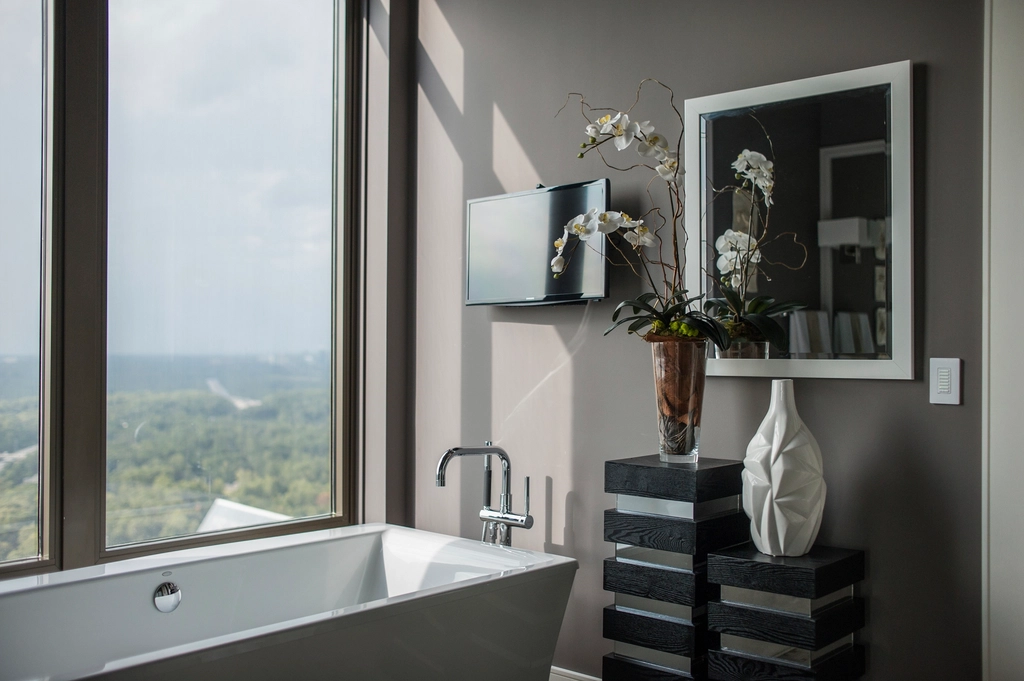
A bathroom is the smallest room in most homes, yet it absorbs some of the highest costs per square foot and takes more daily abuse than any other space. Water, humidity, and constant use punish every material and shortcut you choose. Get a renovation right and you gain a room that feels like a small daily luxury while quietly adding real value to your home. Get it wrong — bad waterproofing, a cramped layout, a vanity that blocks the door — and you inherit years of frustration and repair bills. The tips below help you plan smart, spend where it counts, and avoid the traps.
📊 What Is a Bathroom Renovation?
A bathroom renovation is the process of updating, reconfiguring, or completely rebuilding a bathroom’s finishes, fixtures, plumbing, and layout. It ranges from a light cosmetic refresh to a full down-to-the-studs rebuild, and the scope you choose drives everything else — budget, timeline, permits, and how much of the work you can realistically do yourself.
It helps to think in three broad tiers:
- 🎨 Cosmetic refresh keeps the plumbing where it is and swaps surfaces — new paint, a fresh vanity, updated hardware, a new mirror and light. It is the fastest and cheapest route, often a weekend or two of work.
- 🔧 Mid-range remodel replaces fixtures and finishes while keeping the footprint — a new tub or shower, retiled walls and floor, a rebuilt vanity, and upgraded ventilation, all in roughly the same positions.
- 🏗️ Full gut renovation strips the room to the studs and subfloor, relocates plumbing and electrical, and often changes the layout entirely — the most expensive and disruptive path, but the only one that fixes a genuinely bad design.
Knowing which tier your project belongs to before you shop for tiles keeps expectations, budget, and contractor conversations grounded in reality.
🎯 Why Getting the Bathroom Right Matters
The bathroom punches far above its size. It is used every day, it is the room buyers scrutinize most closely, and it is where hidden mistakes cause the most expensive damage. Treating it as an afterthought is how good budgets get wasted.
It protects your home from water damage. A bathroom is the wettest room you own, and poor waterproofing behind tile or under a shower pan leads to rot, mold, and structural repairs that dwarf the original renovation cost.
It returns strong resale value. A mid-range bathroom remodel typically recoups a large share of its cost at sale, and dated, worn bathrooms are one of the fastest ways to lose buyer interest.
It shapes your daily comfort. A smooth morning routine depends on good lighting, storage within reach, and a layout that does not force two people to collide at the sink. Small ergonomic wins compound over years.
It future-proofs the space. Thoughtful choices — a curbless shower, blocking in the walls for grab bars, slip-resistant floors — keep the room usable as your household ages, without looking clinical.
📈 The Decisions That Actually Matter
Not every choice carries equal weight. Homeowners often agonize over faucet finishes while glossing over the decisions that quietly determine whether the room lasts a decade or fails in two years. The decisions below are grouped by stage, each with a real example so you know where to focus your money.
The Hidden Fundamentals
- 💧 Waterproofing — the membrane and sealing system behind tile and under the shower is the single decision that prevents catastrophic damage. Example: skipping a proper shower-pan membrane to save a few hundred on materials can cost tens of thousands in subfloor and joist repair a few years later.
- 🌬️ Ventilation — an exhaust fan sized to the room clears humidity that would otherwise breed mold and peel paint.
- 🚰 Plumbing placement — moving drains and supply lines is costly, so decide early whether the layout justifies it.
Layout and Space
- 📐 Clearances — leaving enough space in front of the toilet and around the vanity keeps the room comfortable rather than cramped. Example: a vanity that swings its door into the toilet clearance looks fine on paper but feels miserable every morning.
- 🚪 Door swing and traffic flow — whether the door hits the vanity or a towel bar decides how the room feels the moment you walk in.
- 🛁 Tub versus shower — matching the choice to who actually uses the room beats copying a magazine. Example: ripping out the home’s only tub can hurt resale in a family neighborhood where buyers expect one.
Finishes and Fixtures
- 🧱 Tile and grout — larger tiles mean fewer grout lines to clean, and quality grout with a good seal resists staining far longer.
- 🚿 Fixture quality — a mid-grade faucet and valve from a reputable brand outlasts a bargain unit whose cartridge fails in a year.
- 🪟 Lighting layers — combining task lighting at the mirror with ambient ceiling light removes the shadows that make grooming difficult.
⭐ The single most important decision: Waterproofing
Everything visible in your bathroom sits on top of a hidden system that keeps water out of your walls and floor. A beautiful tile job over a failed or missing membrane is a slow-motion disaster. Spend the time and money to get the membrane, shower pan, and sealing right — it is the one decision you truly cannot fix later without tearing the whole room apart again.
📋 Renovation Cheat-Sheet (Quick Reference)
| Element | What it involves | Typical priority | Notes |
|---|---|---|---|
| 💧 Waterproofing | Membrane, shower pan, sealing | Critical — never cut | Hire a pro if unsure |
| 🌬️ Ventilation | Exhaust fan sized to room | High | Vent to outside, not attic |
| 🚽 Toilet | Fixture swap or relocation | Medium | Relocating is costly |
| 🪞 Vanity & sink | Storage, counter, plumbing | High | Wall-mount saves floor space |
| 🧱 Tile & flooring | Walls, floor, grout | High | Slip-resistant on floors |
| 💡 Lighting | Task + ambient layers | Medium | Add a dimmer |
| 🚿 Fixtures | Faucet, shower valve, hardware | Medium | Buy quality valves |
🛠️ Smart Material and Fixture Picks
You do not need the most expensive option in every category — you need the right one for a wet, high-traffic room. The table below covers dependable choices that balance durability, cost, and looks.
| Choice | Best for | Cost tier | Durability |
|---|---|---|---|
| 🧱 Porcelain tile | Floors & wet walls | Low–Mid | High |
| 🪨 Quartz countertop | Vanity tops | Mid–High | High |
| 🚿 Thermostatic shower valve | Comfort & safety | Mid | High |
| 🪟 LED mirror light | Grooming task light | Low–Mid | High |
| 🚽 Dual-flush toilet | Water savings | Mid | High |
| 🧴 Wall-mounted vanity | Small bathrooms | Mid | Medium |
| 🌬️ Humidity-sensing fan | Mold prevention | Low–Mid | High |
A quality valve you never think about again is worth more than a designer faucet sitting on a cartridge that fails within a year.
🔗 Understanding Layout Types
The layout you choose sets the ceiling on how comfortable and functional the finished room can be. Match it to your available space and how the bathroom is actually used, then design the fixtures around it rather than forcing fixtures into a layout that fights the room.
| Layout | What it is | Best for | Watch out for |
|---|---|---|---|
| 🚻 Full bath | Toilet, sink, tub/shower | Family & main bathrooms | Needs the most space |
| 🚿 Three-quarter bath | Toilet, sink, shower only | Guest & secondary baths | No tub may affect resale |
| 🚽 Half bath / powder room | Toilet and sink only | Ground-floor guest use | Limited to quick visits |
| 🛁 Wet room | Fully waterproofed open space | Modern, accessible designs | Demands flawless waterproofing |
| 🚪 Jack-and-Jill | Shared between two rooms | Kids’ bedrooms sharing | Locking doors get confusing |
No single layout is best for every home. A footprint that would feel cramped as a full bath often works beautifully as a three-quarter bath or wet room, freeing up space for a larger shower and better storage.
🧭 7-Step Renovation Framework (Checklist)
A bathroom renovation rewards planning and punishes improvisation. Work through this checklist in order — tick each box before you swing the first hammer.
💡 Worked Example: A Family Updates a Tired Bathroom
The Sharmas have a cramped 1990s main bathroom — a builder-grade vanity, a stained tub surround, poor lighting, and a failing fan. They have a moderate budget and want it to last, so they apply the framework rather than shopping on impulse.
- 🎯 Scope & budget: A mid-range remodel keeping the existing footprint, with 18% held back as a contingency for hidden surprises.
- 📐 Layout: They keep plumbing in place but swap the old tub for a larger tiled shower with a curbless entry, since their kids are grown and no one uses the tub.
- 💧 Fundamentals first: They invest in a proper shower-pan membrane, a humidity-sensing exhaust fan, and a quality thermostatic valve.
- 🧱 Finishes: Large-format porcelain tile to minimize grout, a wall-mounted vanity for a roomier feel, and layered LED lighting with a dimmer.
- ✅ The result: A brighter, easier-to-clean bathroom that feels twice its size, completed on budget because the contingency absorbed a surprise rotted subfloor.
Nothing here was extravagant. They spent on the hidden fundamentals and chose durable, low-maintenance finishes instead of chasing trends.
⚠️ Common Renovation Mistakes to Avoid
Skimping on waterproofing. It is invisible when finished, so it is the first thing tempted homeowners cut — and the mistake that causes the most expensive damage later.
Ignoring ventilation. Without a properly sized, externally vented fan, humidity breeds mold, peels paint, and ruins finishes no matter how well they were installed.
Moving plumbing without reason. Relocating drains and supply lines is one of the costliest changes you can make. Keep fixtures in place unless the layout genuinely demands otherwise.
Underestimating the budget. Old bathrooms hide rot, outdated wiring, and surprise repairs. A renovation with no contingency stalls the moment a wall opens.
Choosing looks over function. Glossy floor tile that turns slick when wet, or an oversized vanity that blocks the door, looks great in photos and fails in daily life.
Forgetting storage. A beautiful bathroom with nowhere to put towels and toiletries quickly becomes cluttered. Plan niches, cabinets, and shelving from the start.
📖 Glossary of Key Terms
- 💧 Waterproofing membrane: A sealed barrier behind tile and under shower floors that stops water from reaching the wall and subfloor.
- 🛁 Shower pan: The sloped, waterproofed base of a shower that channels water to the drain.
- 🚿 Thermostatic valve: A shower valve that holds a set temperature and prevents sudden scalding when water is used elsewhere.
- 🧱 Grout: The material filling the joints between tiles; quality grout, properly sealed, resists staining and moisture.
- 🚪 Curbless shower: A shower with no raised lip at the entry, creating a seamless, accessible floor.
- 🌬️ Exhaust fan (CFM): A ventilation fan rated in cubic feet per minute, sized to the room to clear humidity.
- 🚽 Rough-in: The stage where plumbing and electrical lines are run before walls and finishes go on.
- 🪞 Vanity: The cabinet-and-sink unit that provides washing, counter space, and storage.
❓ Frequently Asked Questions
How long does a bathroom renovation take?
How much should I budget for a bathroom renovation?
Can I do a bathroom renovation myself?
Do I need a permit to renovate my bathroom?
Should I choose a tub or a shower?
What is the most important thing to get right?
What flooring works best in a bathroom?
How do I stop mold from coming back?
Will a renovation add value to my home?
How much extra space do fixtures need around them?
What should I plan first when renovating?
🏁 Conclusion
A great bathroom renovation is not about the trendiest tile or flashiest faucet — it is about getting the invisible fundamentals right and then choosing durable, functional finishes that suit how you actually live. Spend where it counts: waterproofing, ventilation, a sensible layout, and quality valves. Cut where it is safe: decorative extras you can upgrade later.
Plan the scope and budget honestly, finalize the layout before you order anything, and respect the sequence of demolition, rough-in, waterproofing, and finishing. Do that, and you will end up with a bathroom that looks beautiful, works effortlessly, resists water damage for years, and quietly adds value to your home.
👉 Next step: Before you shop for a single tile, sketch your bathroom’s layout to scale, mark the fixed plumbing positions, and set a budget with a 20% contingency. That one hour of planning is where every successful renovation begins.
