
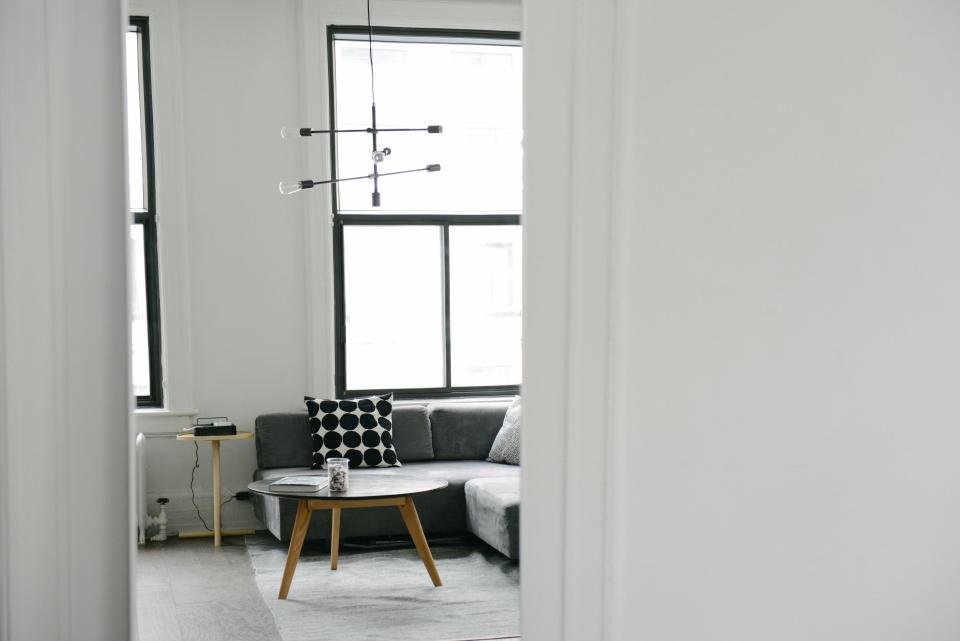
A well-designed room does something quietly powerful: it makes you want to be in it. Yet interior design can feel intimidating when you are starting out — a swirl of paint chips, mood boards, and expensive mistakes waiting to happen. The good news is that great interiors are not about innate taste or a big budget. They follow a handful of learnable principles that professionals lean on every day. Master those fundamentals and you can transform any space, whether you rent a studio or own a family home, without hiring anyone or spending a fortune.
🏠 What Is Interior Design?
Interior design is the practice of shaping the spaces we live in so they are both beautiful and genuinely functional. It goes far beyond choosing a nice sofa — it is about how a room flows, how light moves through it, and how every object earns its place. Decorating is the surface layer; design is the thinking underneath that makes the surface work.
For beginners, it helps to break the discipline into three foundational pillars:
- 📐 Function — how well the space serves the people who use it, from traffic flow and storage to comfortable seating and the right lighting for each activity.
- 🎨 Aesthetics — the visual language of the room: color, texture, pattern, and style working together to create a cohesive, pleasing look.
- ⚖️ Balance — the sense that a room feels settled and intentional, with visual weight distributed so nothing feels crowded, empty, or accidental.
Every strong room satisfies all three at once. When a space feels “off” but you cannot say why, one of these pillars is usually being neglected — often function sacrificed for looks, or a beautiful palette let down by poor lighting.
🎯 Why Interior Design Matters
Your home is the backdrop to your entire life, and its design shapes your daily experience more than almost any other purchase you make. Getting it right pays dividends far beyond appearances.
It affects your mood and wellbeing. Natural light, calming colors, and uncluttered spaces are consistently linked to lower stress and better focus. A thoughtfully designed room can genuinely make you feel calmer, happier, and more productive.
It maximizes the space you already have. Good design makes a small apartment feel generous and a large room feel intimate. Smart layout and storage often solve “I need a bigger place” without moving a single box.
It saves you money over time. Planning before you buy prevents the expensive cycle of purchasing furniture that does not fit, returning it, and starting over. A little intention up front stretches every rupee or dollar further.
It adds real value to your home. Whether you rent or own, a well-designed interior photographs better and — for owners — meaningfully lifts resale appeal. Buyers pay for spaces they can picture themselves living in.
📈 The Design Principles That Actually Matter
Beginners often chase trends when what really separates a polished room from a chaotic one is a grasp of a few timeless principles. Learn these and you will make better decisions about everything else. Each is grouped below by the role it plays, with examples of how it looks in a real home.
Layout and Flow
- 🚶 Traffic paths — leave clear walkways so people can move through a room without weaving around furniture. Example: keep roughly 75–90 cm (about 30–36 inches) of clearance for main pathways so a hallway or living room never feels like an obstacle course.
- 🧲 Focal point — give each room one clear star, such as a fireplace, a bed, a window view, or a piece of art, and arrange furniture to support it.
- 📏 Scale and proportion — match furniture size to the room; an oversized sectional swallows a small lounge while dainty pieces get lost in a large one. Example: a sofa should generally span about two-thirds the length of the wall or rug it sits against.
Color and Light
- 🌈 The 60-30-10 rule — devote about 60% of a room to a dominant color, 30% to a secondary color, and 10% to an accent for instant, foolproof balance.
- 💡 Layered lighting — combine ambient (overall), task (focused), and accent (mood) lighting rather than relying on a single ceiling fixture. Example: one overhead light makes a living room feel flat and clinical, while adding a floor lamp and a table lamp makes it warm and inviting.
- 🎨 Undertones — pay attention to warm versus cool undertones in whites, grays, and woods so your pieces harmonize instead of clashing.
Texture and Detail
- 🧶 Layered textures — mix soft and hard, rough and smooth — a chunky throw, a linen cushion, a woven rug, a metal lamp — to keep a room from feeling flat.
- 🪴 Greenery and life — plants add color, movement, and a sense of freshness that no accessory can quite replicate. Example: a single large potted plant in an empty corner instantly makes the whole room feel finished.
- 🖼️ Personal touches — art, books, and meaningful objects turn a showroom-perfect but soulless space into somewhere that feels like you.
⭐ The single most important principle: Function before beauty
A gorgeous room that does not work for your actual life will frustrate you every day. Always start by asking how the space needs to be used — where people sit, walk, work, and store things — and let beauty follow from a layout that genuinely serves you. The most stunning sofa is the wrong choice if it blocks the only comfortable path to the window.
📋 Design Cheat-Sheet (Quick Reference)
| Element | What it does | Rule of thumb | Where it applies |
|---|---|---|---|
| 🌈 Color split | Balances a palette | 60-30-10 | Every room |
| 🚶 Walkway width | Keeps traffic flowing | ~75–90 cm (30–36 in) | Main paths, hallways |
| 🖼️ Art height | Anchors wall visually | Center at ~145 cm (57 in) | Living, bedroom, hall |
| 🛋️ Sofa-to-rug | Grounds the seating area | Front legs on the rug | Living rooms |
| 💡 Light layers | Adds depth & mood | 3 layers per room | All living spaces |
| 🪟 Curtain hang | Makes ceilings feel taller | Rod ~15 cm above frame | Any window |
| 🪑 Coffee table gap | Comfortable reach | ~40 cm (16 in) from sofa | Living rooms |
🛠️ Where to Spend and Where to Save
One of the smartest beginner moves is knowing which pieces deserve investment and which you can buy cheaply without regret. As a rule, spend on the things you use daily and touch most, and save on items that are easy to swap as your taste evolves.
| Item | Why it matters | Spend or save? | Priority |
|---|---|---|---|
| 🛏️ Mattress | Daily use, affects health | Spend | High |
| 🛋️ Main sofa | Heavy use, hard to replace | Spend | High |
| 💡 Lighting fixtures | Sets mood everywhere | Mix | High |
| 🪑 Accent chairs | Style over heavy use | Save | Medium |
| 🧶 Cushions & throws | Easy, cheap style refresh | Save | Low |
| 🖼️ Wall art | Personality, swappable | Save | Medium |
| 🪟 Curtains | Frames light, big impact | Mix | Medium |
Notice that the biggest, most-used pieces top the list — get the foundations right and inexpensive accessories will still look great around them.
🔗 Understanding Design Styles
Choosing a loose style gives your decisions a compass, so pieces feel intentional rather than random. You do not have to follow one style rigidly, but knowing the vocabulary helps you shop and combine with confidence.
| Style | Signature look | Best for | Watch out for |
|---|---|---|---|
| 🤍 Minimalist | Clean lines, few pieces, calm palette | Small spaces, calm seekers | Can feel cold if overdone |
| 🌿 Scandinavian | Light woods, whites, cozy texture | Bright, airy homes | Needs good natural light |
| 🧱 Industrial | Exposed brick, metal, raw wood | Lofts, open-plan flats | Hard surfaces feel harsh |
| 🌾 Bohemian | Layered patterns, plants, warm hues | Expressive, collected homes | Tips into clutter easily |
| 🏛️ Traditional | Symmetry, rich woods, classic fabrics | Formal, timeless spaces | Can read dated if static |
Most real homes are a comfortable blend — perhaps Scandinavian bones with a few bohemian, personality-filled touches. Pick the style that matches how you actually want the space to feel, then borrow freely from the others.
🧭 7-Step Room Design Framework (Checklist)
Designing a room becomes far less overwhelming when you follow a clear order rather than buying pieces at random. Work through these steps for any space and you will avoid the most common — and most expensive — beginner mistakes.
💡 Worked Example: A First Apartment Living Room
Aditi has just moved into a small rented one-bedroom flat with a bright but awkward living room, and a budget of around ₹40,000 (or a few hundred dollars). Here is how she applies the framework instead of panic-buying furniture:
- 📝 Use & measure: She needs seating for four, a spot to work from home, and clear space to move. She sketches the room and marks the two windows as her light source.
- 💰 Budget: She earmarks most of it for a good compact sofa and a decent desk lamp, keeping the rest for accessories.
- 🎨 Palette & style: She chooses warm white walls (60%), soft sage green in the sofa and curtains (30%), and terracotta accents (10%) in a light Scandinavian direction.
- 🛋️ Layout: She floats a two-seater and a slim accent chair around a small rug facing the brighter window as the focal point, leaving a clear walkway to the kitchen.
- ✅ The result: With a floor lamp, a few plants, and thrifted art, the once-awkward room now feels calm, spacious, and unmistakably hers — for well under her budget.
Nothing here required a designer. It required measuring first, spending on the pieces that mattered, and layering the finishing touches last.
⚠️ Common Interior Design Mistakes to Avoid
Buying furniture before measuring. The single most common beginner error — always sketch a floor plan and check dimensions, including doorways, before you buy anything large.
Pushing all furniture against the walls. This makes a room feel like a waiting area. Floating pieces slightly inward, even a few inches, creates intimacy and better conversation zones.
Relying on one overhead light. A single ceiling fixture flattens a room and creates harsh shadows. Layer in lamps to add warmth, depth, and flexibility.
Choosing a rug that is too small. A tiny rug marooned in the center makes everything look disconnected. Go bigger so at least the front legs of your seating sit on it.
Hanging art too high. Art floating near the ceiling breaks the visual connection with furniture. Center pieces at roughly eye level, about 145 cm (57 inches) from the floor.
Forgetting negative space. Filling every surface and corner overwhelms the eye. Empty space is a design element too — it lets the pieces you love breathe and stand out.
📖 Glossary of Key Terms
- 🎯 Focal point: The main visual anchor of a room that draws the eye first, such as a fireplace, bed, or feature wall.
- 📏 Scale & proportion: How the size of furniture and objects relates to the room and to each other for a balanced look.
- 🌈 60-30-10 rule: A color formula splitting a room into a dominant, secondary, and accent color for easy balance.
- 💡 Ambient lighting: The general, overall illumination of a room, usually from ceiling fixtures or large lamps.
- 🔦 Task lighting: Focused light for a specific activity, like a desk lamp for working or a reading light by a chair.
- 🎨 Undertone: The subtle warm or cool hue beneath a main color that determines whether shades harmonize or clash.
- ⚪ Negative space: The intentional empty areas in a room that give the eye rest and let key pieces stand out.
- 🧶 Texture layering: Combining different surface finishes — soft, rough, smooth, woven — to add richness and depth.
❓ Frequently Asked Questions
Where should a complete beginner start with interior design?
How do I design a room on a tight budget?
What is the 60-30-10 rule?
How do I make a small room look bigger?
Do I need to pick just one design style?
What is the right height to hang wall art?
How important is lighting, really?
Can I do interior design as a renter?
What is the biggest mistake beginners make?
How do I choose a color palette I won’t regret?
How long should it take to design a room?
🏁 Conclusion
Interior design for beginners is not about having an eye you were born with or a budget you envy in magazines. It is about understanding a few durable principles — function before beauty, balanced color, layered light, and thoughtful proportion — and applying them one room at a time. Measure before you buy, plan around how you actually live, spend on the pieces that carry the most weight, and save your finishing flourishes for last.
Every professional started where you are now, learning by doing and improving with each project. Trust the process, let your rooms evolve, and give yourself permission to experiment. The more you practice these fundamentals, the more naturally good decisions will come — and the more your home will feel unmistakably yours.
👉 Next step: Choose one room today, grab a tape measure, and sketch a simple floor plan with your existing furniture. That single act of measuring and planning is where every great interior begins. Explore more of our home improvement guides to keep building your space.
