
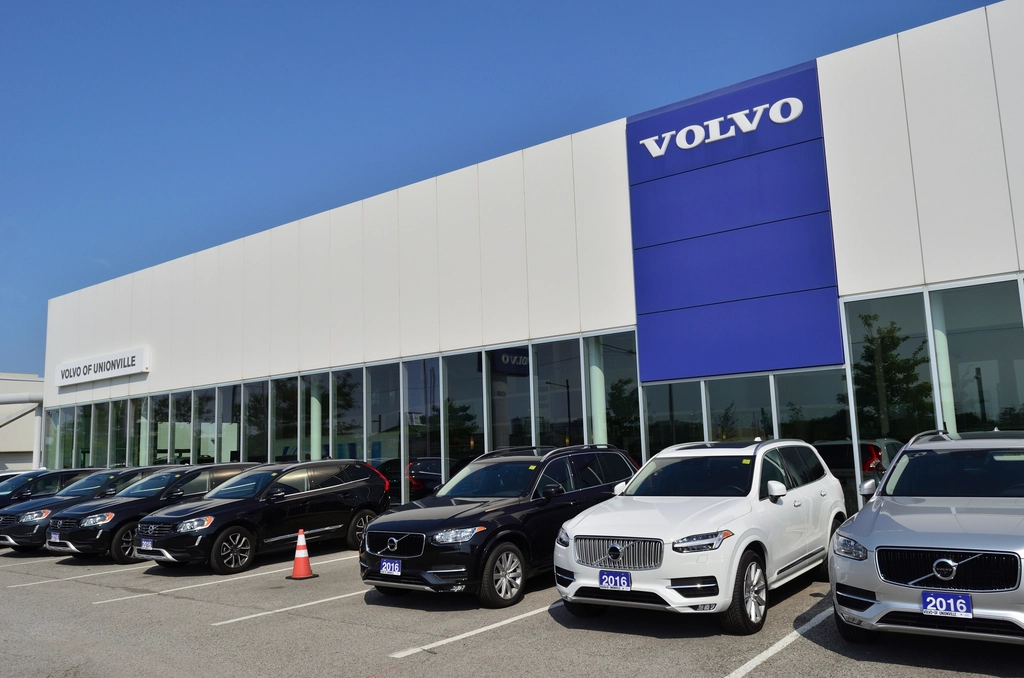
Buying a car is one of the largest purchases most people ever make, and yet it is often driven by emotion, dealer pressure, and a Sunday-afternoon impulse rather than a clear plan. The result is predictable: overpaying, financing on bad terms, and ending up with a vehicle that does not actually fit daily life. A smart car purchase is not about being the toughest negotiator in the room. It is about doing a few unglamorous things in the right order — setting a real budget, researching, inspecting, and walking away when the numbers do not work. This guide gives you that order.
🚗 What Is Smart Car Buying?
Smart car buying is the practice of matching the right vehicle to your actual needs and finances through research and discipline, rather than reacting to a shiny showroom or a persuasive salesperson. It treats the car as a total cost to be managed over years, not a sticker price to be paid once.
Most buyers fall into one of three broad paths, and knowing which one you are on shapes every later decision:
- 🆕 New cars offer the latest safety tech, a full factory warranty, and zero prior wear — but they lose a large share of their value in the first two to three years, so you pay a premium for that peace of mind.
- 🔄 Used and certified pre-owned (CPO) cars let someone else absorb the steepest depreciation. A well-chosen three-year-old vehicle can deliver roughly 80% of a new car’s life for a fraction of the cost, especially when CPO adds an inspection and extended warranty.
- 📅 Leasing lets you drive a newer car for lower monthly payments, but you never build ownership and you face mileage limits and wear charges — it suits predictable, low-mileage drivers who like to switch cars often.
None of these is universally “best.” The right choice depends on how long you keep cars, how many miles you drive, and whether you value the lowest lifetime cost or the newest features and lowest monthly payment.
🎯 Why a Careful Approach Matters
The strongest reason to slow down is money. A car is a depreciating asset — it loses value the moment you drive it home — so every avoidable cost you add is money you will never recover on resale.
It prevents overpaying. Dealers make margin on price, financing, add-ons, and your trade-in. A prepared buyer who has researched the fair market value and secured outside financing removes most of those levers and often saves thousands.
It protects your monthly cash flow. A payment that looked manageable can quietly crowd out savings and emergencies once insurance, fuel, and maintenance are added. Planning the total monthly cost keeps the car from owning you.
It reveals hidden and long-term costs. Two cars with the same price can differ wildly in insurance, fuel economy, and repair bills. Only research surfaces the model that is cheap to buy but expensive to keep.
It gives you the power to walk away. The single greatest advantage in any car deal is a buyer who is genuinely willing to leave. Preparation is what makes that willingness real rather than a bluff.
📈 The Numbers That Actually Matter
One of the biggest traps in car buying is fixating on the monthly payment while ignoring everything else — a low payment stretched over seven years can hide a terrible deal. The figures below are organized by stage of ownership, each with a real-world example so you know what “good” looks like.
The Price and the Deal
- 🏷️ Out-the-door (OTD) price — the total you pay including taxes, registration, and fees, not the advertised sticker. Example: a car listed at $28,000 can easily hit $31,000 out the door once tax and fees are added, so always negotiate on OTD.
- 📉 Depreciation — how much value the car loses over time; many new cars shed roughly 20% in year one and around 40–50% by year three.
- 🤝 Trade-in value — what your current car is worth, which you should price separately so it is not blended into a confusing single number.
The Financing
- 📊 APR (annual percentage rate) — the true yearly cost of borrowing, including fees, not just the headline interest rate. Example: dropping from a 9% to a 5% APR on a $25,000 five-year loan saves roughly $2,800 in interest.
- ⏳ Loan term — the length of the loan; longer terms lower the payment but raise total interest and risk you owing more than the car is worth.
- 💵 Down payment — cash paid up front, which lowers the amount financed and the risk of going “underwater.” Example: putting 20% down on a new car sharply reduces the chance of negative equity in the first two years.
The Cost of Ownership
- ⛽ Fuel economy — miles per gallon or energy cost per mile, a recurring expense that adds up fast for long commutes.
- 🛡️ Insurance premium — quote this before you buy, since sporty or luxury models can cost far more to insure than a modest sedan.
- 🔧 Maintenance and reliability — expected repair frequency and cost, where a proven reliable model saves thousands over its life.
⭐ The single most important number: Total Cost of Ownership
Total cost of ownership (TCO) combines depreciation, financing, fuel, insurance, maintenance, and taxes over the years you will keep the car. A cheaper sticker price often hides a higher TCO. Two cars priced the same can differ by thousands per year once these costs are added — so compare the whole picture, not the number on the windshield.
📋 Car-Buying Cheat-Sheet (Quick Reference)
| Factor | What it means | Rule of thumb | Where to check |
|---|---|---|---|
| 💰 Total car budget | All-in price you can afford | Roughly 35% of annual income | Your own budget |
| 📅 Monthly payment | Loan cost per month | Under 15% of take-home pay | Loan calculator |
| 💵 Down payment | Cash paid up front | ~20% new; ~10% used | Your savings |
| ⏳ Loan term | Length of financing | 48–60 months max | Lender terms |
| 📊 APR | True cost of borrowing | Compare 3+ lenders | Bank, credit union |
| 📉 Depreciation | Value lost over time | ~40–50% by year 3 (new) | Valuation sites |
| 🔧 Reliability | Expected repair record | Above-average rating | Reliability reports |
🛠️ The Tools and Resources You Need
You do not need insider connections to buy well — just a handful of free or cheap resources used consistently. The table below covers the essentials for researching, valuing, and verifying any vehicle before you sign.
| Resource | Best for | Cost | When to use |
|---|---|---|---|
| 📗 Pricing guides (KBB, Edmunds) | Fair market value | Free | Research |
| 📋 Vehicle history report | Accidents & title checks | Paid | Before buying used |
| 🧮 Loan calculator | Payment & interest math | Free | Budgeting |
| 🔍 Independent mechanic | Pre-purchase inspection | Low | Before buying used |
| 🏦 Bank / credit union | Pre-approved financing | Free | Before the dealer |
| ⭐ Reliability reports | Long-term dependability | Some paid | Shortlisting models |
| 🛡️ Insurance quote tools | Premium estimates | Free | Before deciding |
A single afternoon spent gathering pricing, financing, and an inspection will do more for your deal than any amount of showroom charm.
🔗 Understanding Your Financing Options
How you pay for a car matters almost as much as which car you buy, because financing quietly shapes the total you hand over. The option you choose should fit your cash position and how long you plan to keep the vehicle, so weigh them before you set foot on a lot.
| Option | How it works | Best for | Watch out for |
|---|---|---|---|
| 💵 Paying cash | Buy outright, no loan | Avoiding all interest | Draining your emergency fund |
| 🏦 Bank / credit union loan | Pre-approved outside financing | Lowest independent rates | Requires decent credit |
| 🏪 Dealer financing | Loan arranged at the dealership | Convenience, promo 0% deals | Marked-up rates on average credit |
| 📅 Leasing | Pay to use, not to own | Low miles, frequent upgrades | Mileage caps and wear fees |
| 🔄 Refinancing | Replace an existing loan | Improved credit later on | Fees that erase the savings |
No single option wins for everyone. A disciplined buyer with strong credit often does best arriving with a pre-approved credit-union loan in hand, then letting the dealer try to beat it — that way dealer financing has to compete rather than dictate.
🧭 7-Step Car-Buying Framework (Checklist)
A good car purchase follows a clear order that keeps emotion and dealer pressure from steering the outcome. Work through this checklist in sequence — you can literally tick each box before you sign anything.
💡 Worked Example: A First-Time Buyer Applies This
Raj is a 28-year-old with a 40-minute commute and a take-home pay of around $3,800 a month. He is tempted by a brand-new SUV but decides to run the framework before he visits a single dealer:
- 💰 Budget: He caps his payment at 15% of take-home — about $570 — and sets a firm out-the-door ceiling of $24,000.
- 🎯 Needs: A reliable commuter with good fuel economy matters far more than a big SUV he would rarely fill, so he shortlists three efficient used sedans.
- 🏦 Financing: He gets pre-approved by his credit union at a 6% APR, giving him a real rate to beat before any dealer pitch.
- 🔍 Inspection: He pays a mechanic $120 to inspect his top pick and pulls a history report, which reveals it is clean with no accident record.
- ✅ Result: He negotiates the OTD price down to $22,500, and when the dealer cannot beat 6%, he keeps his credit-union loan — landing a $430 payment, well under his cap.
Nothing Raj did required expertise or hard-nosed haggling. He set a budget, researched, secured financing, and inspected — and that ordinary discipline saved him money and stress.
⚠️ Common Car-Buying Mistakes to Avoid
Focusing only on the monthly payment. A low payment stretched over 72 or 84 months hides a high total cost and years of extra interest. Always evaluate the out-the-door price and total paid.
Skipping the pre-purchase inspection. Buying a used car without an independent mechanic’s check is a gamble — a $120 inspection can save you from a $2,000 repair waiting to happen.
Walking in without financing. Arriving unarmed lets the dealer control the loan and mark up your rate. Get pre-approved first so financing has to compete for your business.
Blending the trade-in into the deal. When trade-in, price, and financing are mixed into one number, it is easy to lose money on one while thinking you won on another. Negotiate each separately.
Ignoring the total cost of ownership. Insurance, fuel, and repairs can make a cheap car expensive to keep. Quote insurance and check reliability before you fall for a sticker price.
Rushing under pressure. “This deal is only good today” is a tactic, not a fact. A car that is right for you today will still be a good decision after you sleep on it.
📖 Glossary of Key Terms
- 🏷️ MSRP (Manufacturer’s Suggested Retail Price): The sticker price set by the maker — a starting point for negotiation, not a fixed cost.
- 🚪 Out-the-door (OTD) price: The complete amount you pay including taxes, registration, and all fees.
- 📊 APR (Annual Percentage Rate): The true yearly cost of a loan, including interest and fees.
- 📉 Depreciation: The loss in a car’s value over time as it ages and accumulates miles.
- 🌊 Negative equity (underwater): Owing more on your loan than the car is currently worth.
- ✅ Certified pre-owned (CPO): A used car inspected and backed by the manufacturer with an extended warranty.
- 📋 Vehicle history report: A record of a used car’s accidents, ownership, title status, and service.
- 💰 Total cost of ownership (TCO): The full cost of a car over time — depreciation, financing, fuel, insurance, and repairs combined.
❓ Frequently Asked Questions
How much car can I actually afford?
Is it better to buy new or used?
Should I get financing from the dealer or my own bank?
How much should I put down?
Do I really need a pre-purchase inspection on a used car?
What is the best loan term to choose?
How do I negotiate the price without stress?
Should I trade in my old car or sell it privately?
Are dealer add-ons like extended warranties worth it?
How does leasing compare to buying?
Is buying a car online or from a dealer better?
🏁 Conclusion
Buying a car well is not about being the cleverest negotiator or knowing secret tricks. It is about clarity and order — understanding what you can truly afford, choosing a vehicle that fits your real life, arranging financing before you shop, and verifying the car’s condition and total cost before you sign. Do those unglamorous things in sequence and the deal tends to take care of itself.
You do not need to be an expert or love haggling to come out ahead. You need a budget, a shortlist, a pre-approval, and the willingness to walk away from a deal that does not fit. Follow the framework, keep emotion out of the finance office, and your next car will be a confident decision rather than an expensive regret.
👉 Next step: Before you visit a single dealer, use a loan calculator to set your out-the-door price ceiling and monthly payment cap this week. That one number is the foundation every smart car purchase is built on. Explore more of our automotive guides to keep sharpening your buying skills.
