
Your home leaks money every single day — through drafty windows, an aging furnace, a water heater that runs when no one is home, and lights that draw power in empty rooms. Energy-efficient home improvements are the fixes that plug those leaks. Done thoughtfully, they lower your bills, make rooms more comfortable in every season, cut your carbon footprint, and often raise your property’s value. Best of all, you do not need to renovate everything at once — a handful of targeted upgrades, tackled in the right order, can pay for themselves for years.
🏡 What Are Energy-Efficient Home Improvements?
Energy-efficient home improvements are changes to your house — its structure, systems, and habits — that deliver the same comfort while using less energy. The goal is not to live with less; it is to waste less. A well-sealed, well-insulated home stays warm in winter and cool in summer with far less work from its heating and cooling.
It helps to think of these improvements in three broad pillars:
- 🧱 The building envelope — insulation, air sealing, windows, and doors that keep conditioned air in and outside air out. This is the foundation everything else rests on.
- ⚙️ Mechanical systems — the heating, cooling, ventilation, and water heating equipment that does the actual work, plus how efficiently each unit converts energy into comfort.
- 💡 Loads and behavior — lighting, appliances, smart controls, and the everyday habits that decide how much energy those systems are asked to deliver.
Most homeowners jump straight to shiny equipment upgrades, but the biggest and cheapest wins almost always live in the first pillar — seal and insulate before you replace, and every later upgrade costs less to run.
🎯 Why Energy Efficiency Matters
The most obvious reason is money. Heating, cooling, and hot water typically account for the largest share of a household energy bill, and efficiency improvements attack exactly those costs for the life of the home.
It makes your home more comfortable. Sealing drafts and adding insulation eliminate cold spots, hot upstairs bedrooms, and chilly floors no thermostat setting seems to fix.
It protects you from rising energy prices. Energy costs tend to climb and swing with the seasons. A home that needs less energy is far less exposed to those spikes, giving you a more predictable budget.
It shrinks your environmental footprint. Every unit of energy you do not use is emissions you do not create — for many households, the most practical way to cut their carbon impact.
It raises your home’s value and appeal. Buyers increasingly notice lower utility bills, modern equipment, and efficiency ratings, so documented improvements can make a property sell faster.
📈 The Upgrades That Actually Matter
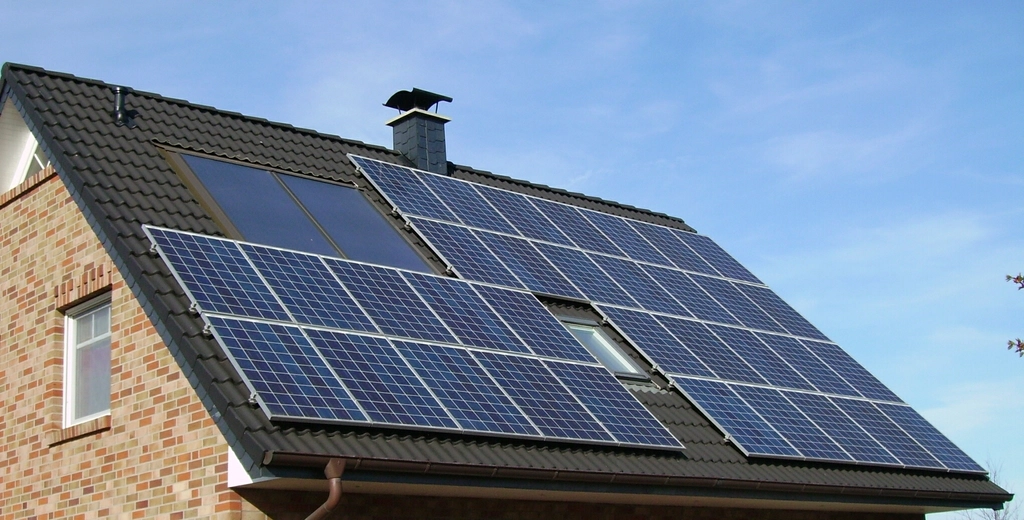
One of the biggest traps in home improvement is chasing flashy, expensive projects while ignoring the humble fixes that deliver the best return — solar panels look impressive, but sealing your attic first means you need fewer of them. The upgrades below are organized by pillar.
The Building Envelope
- 🌬️ Air sealing — caulking, weatherstripping, and foaming the gaps where air escapes around windows, doors, outlets, and the attic hatch. Example: sealing the dozens of small leaks in an average home can cut heating and cooling losses noticeably for the price of a few tubes of caulk.
- 🧊 Insulation — adding or upgrading insulation in the attic, walls, and floors so heat stays where you want it. Example: an under-insulated attic is like a coat with no hat — topping it up is often the highest-return project in the house.
- 🪟 Windows and doors — replacing single-pane windows or leaky doors with sealed, multi-pane, low-emissivity units. Example: double-pane low-E windows roughly halve the heat lost through the glass versus old single panes.
Mechanical Systems
- 🔥 Heating and cooling — upgrading an old furnace, boiler, or air conditioner to a high-efficiency model, or switching to a heat pump. Example: a modern heat pump delivers several units of heat for every unit of electricity it draws, far outperforming resistance heaters.
- 🚿 Water heating — replacing a tank that reheats water around the clock with a heat-pump or on-demand tankless unit.
- 🌡️ Ventilation and ducts — sealing leaky ductwork and adding balanced ventilation so you do not blow conditioned air into unconditioned space.
Loads and Behavior
- 💡 LED lighting — swapping incandescent and halogen bulbs for LEDs that use a fraction of the power. Example: an LED uses roughly 80–90% less energy than the incandescent bulb it replaces and rarely needs changing.
- 🔌 Efficient appliances — choosing certified refrigerators, washers, and dishwashers when it is time to replace, since these run for a decade or more.
- 📱 Smart controls — thermostats, smart power strips, and timers that stop you heating and powering an empty house.
⭐ The single most important upgrade: Air sealing and insulation
Before you spend on new equipment, tighten and insulate the building envelope. A furnace or heat pump can only be as efficient as the house it serves — pump conditioned air into a leaky box and you are paying to heat the outdoors. Sealing and insulation are usually the lowest-cost, highest-return improvements you can make, and they shrink the price of every system upgrade that follows.
📋 Upgrade Cheat-Sheet (Quick Reference)
| Upgrade | What it does | Typical payback | Where it helps most |
|---|---|---|---|
| 🌬️ Air sealing | Stops drafts and air leakage | Under 1–3 years | Attic, windows, outlets |
| 🧊 Attic insulation | Slows heat loss and gain | Around 2–5 years | Top floor, whole house |
| 💡 LED lighting | Cuts lighting energy sharply | Under 1 year | Every room |
| 🌡️ Smart thermostat | Avoids heating an empty home | Around 1–2 years | Central HVAC systems |
| 🚿 Heat-pump water heater | Heats water 2–3× efficiently | Around 3–6 years | Garages, basements |
| 🪟 Low-E windows | Reduces glass heat loss | Often 10+ years | Old single-pane homes |
| 🔥 Heat pump (HVAC) | Efficient heating and cooling | Varies; faster with rebates | Whole-home comfort |
🛠️ The Core Products and Tools You Need
You do not need a full renovation budget to start. The table below covers the products most homeowners reach for first — but tackling projects in the right order, envelope before equipment, matters far more than the tools.
| Product | Best for | Cost tier | Difficulty |
|---|---|---|---|
| 🧴 Caulk & weatherstrip | Sealing small air leaks | Low | Easy |
| 🧊 Batt / blown insulation | Attic and wall R-value | Low–Medium | Medium |
| 💡 LED bulbs | Replacing old lighting | Low | Easy |
| 🌡️ Smart thermostat | Automating heating/cooling | Medium | Easy |
| 🚿 Heat-pump water heater | Efficient hot water | Medium–High | Hard |
| 🔥 Air-source heat pump | Whole-home HVAC | High | Hard |
| 📷 Energy audit / thermal camera | Finding hidden losses | Low–Medium | Easy |
A cheap tube of caulk applied this weekend beats an expensive heat pump you keep putting off.
🔗 Understanding Efficiency Ratings
Efficiency ratings tell you how much useful output a product delivers per unit of energy, and each system uses its own scale. Knowing what the numbers mean helps you compare products honestly.
| Rating | What it measures | Applies to | Higher means |
|---|---|---|---|
| 🧊 R-value | Resistance to heat flow | Insulation | Better insulation |
| ❄️ SEER2 | Seasonal cooling efficiency | Air conditioners, heat pumps | Cheaper cooling |
| 🔥 HSPF2 / AFUE | Heating efficiency | Heat pumps / furnaces | Cheaper heating |
| 🚿 UEF | Water heating efficiency | Water heaters | Cheaper hot water |
| ⭐ ENERGY STAR | Certified efficiency threshold | Appliances, windows, HVAC | Meets a trusted standard |
No single number tells the whole story, because real-world savings also depend on your climate, installation quality, and how you use the equipment. Treat ratings as a way to shortlist options, not a guarantee.
🧭 7-Step Efficiency Framework (Checklist)
Efficiency upgrades create the most value when they follow a clear order. Work through this checklist in sequence — you can literally tick each box as you improve your home.
💡 Worked Example: A Homeowner Applies This
Raj and Priya own a 20-year-old house with high winter heating bills and a bedroom over the garage that never gets warm. On a modest budget, they follow the framework instead of guessing:
- 📷 Audit first: A blower-door test reveals major air leaks in the attic and around the garage-room floor, plus thin attic insulation.
- 🌬️ Seal the leaks: They spend a weekend caulking the attic bypasses and weatherstripping doors for a small materials cost.
- 🧊 Add insulation: They blow in insulation to bring the attic up to R-value and insulate the floor above the garage.
- 🌡️ Quick wins: They install a smart thermostat and replace the home’s bulbs with LEDs.
- ✅ The result that winter: The cold bedroom is finally comfortable, and their heating bill drops by roughly a quarter — repaying the whole project in a couple of seasons.
Nothing here required a full renovation — just auditing first, fixing the envelope before the equipment, and stacking a few affordable upgrades.
⚠️ Common Efficiency Mistakes to Avoid
Buying equipment before sealing the envelope. A new furnace in a leaky house still wastes energy. Seal and insulate first so you can buy a smaller, cheaper system.
Skipping the energy audit. Without knowing where your home loses energy, you risk spending on the wrong projects while the real leaks keep draining cash.
Oversizing new HVAC equipment. Bigger is not better — an oversized system short-cycles, wastes energy, and controls humidity poorly. Size it to the tightened home.
Ignoring available rebates. Many homeowners pay full price for upgrades that qualify for utility rebates or tax credits, leaving real money on the table.
Chasing payback on comfort-only fixes. Some upgrades, like better windows, pay back slowly but transform how a room feels — judge them on comfort and value too.
Neglecting maintenance after the upgrade. A clogged filter or dirty coil quietly erodes the efficiency you paid for, so simple upkeep protects your investment.
📖 Glossary of Key Terms
- 🧊 R-value: A measure of how well insulation resists heat flow — higher means better insulating power.
- 🌬️ Air sealing: Closing the gaps and cracks where uncontrolled air leaks in and out of your home.
- 🔥 Heat pump: A system that moves heat rather than generating it, providing efficient heating and cooling.
- ❄️ SEER2: A rating of seasonal cooling efficiency for air conditioners and heat pumps; higher means cheaper cooling.
- 🚿 UEF (Uniform Energy Factor): The standard efficiency rating for water heaters — higher values use less energy.
- ⭐ ENERGY STAR: A certification identifying products that meet strict, independently verified efficiency standards.
- 🔌 Phantom load: The power devices draw while switched off or in standby, adding up across a home.
- 🏠 Building envelope: The barrier — walls, roof, windows, doors, and floors — separating indoor air from the outside.
❓ Frequently Asked Questions
Which energy-efficient upgrade should I do first?
Are energy-efficient improvements really worth the cost?
Do I need a professional energy audit?
Is a heat pump a good choice in a cold climate?
What’s the single cheapest way to save energy at home?
How much can I realistically save on my energy bills?
Should I replace my windows to save energy?
What is a smart thermostat and is it worth it?
Are there rebates or tax credits for these upgrades?
How do I know how much insulation I need?
Do efficiency upgrades increase my home’s value?
🏁 Conclusion
Energy-efficient home improvements are not about sacrifice or expensive gadgets — they are about comfort and clarity. When your home is sealed, insulated, and running efficient systems, it stays cozy in winter and cool in summer while quietly costing you less. Start with an audit, fix the envelope before the equipment, stack the quick wins, and claim every rebate you can.
You do not need a massive budget or a full renovation to begin. You need to know where your home loses energy and the discipline to fix the cheapest, highest-return leaks first. Build that habit now — seal, insulate, upgrade, and monitor — and your home will shift from an energy drain into a comfortable, more valuable place to live.
👉 Next step: Walk through your home this week and note every draft, thin patch of attic insulation, and old incandescent bulb you find. Fix the easiest one this weekend — that single habit is where every efficient home begins. Explore more of our home improvement guides to keep building your plan.
